Getting a good handle on the different power supply options for forklifts is pretty important if you wanna keep your warehouse running smoothly and stay productive. As more warehouses and distribution centers start bringing in automated systems, the choice of how your forklifts are powered really becomes a big deal — it can make a difference in cutting costs and keeping things efficient. I read in a report by the Material Handling Industry of America (MHIA) that more and more companies are jumping on the bandwagon with electric and hybrid forklifts. It kinda highlights how decision-makers need to seriously think about which power supply will work best for their specific needs.
The kind of power source your forklift uses totally impacts how efficient your warehouse operations are. Recent numbers show electric forklifts can slash energy use by up to 80% compared to those old-school gas or diesel engines. That’s a huge deal — saving money and being a lot better for the environment. Plus, industry forecasts suggest that as everyone gets more into eco-friendly and sustainable logistics practices, we’re gonna see even more investment in electric and fuel cell tech. So, understanding the different options — like lead-acid batteries or lithium-ion ones — is really crucial for warehouse managers who want to boost performance and also hit those regulatory and sustainability targets.
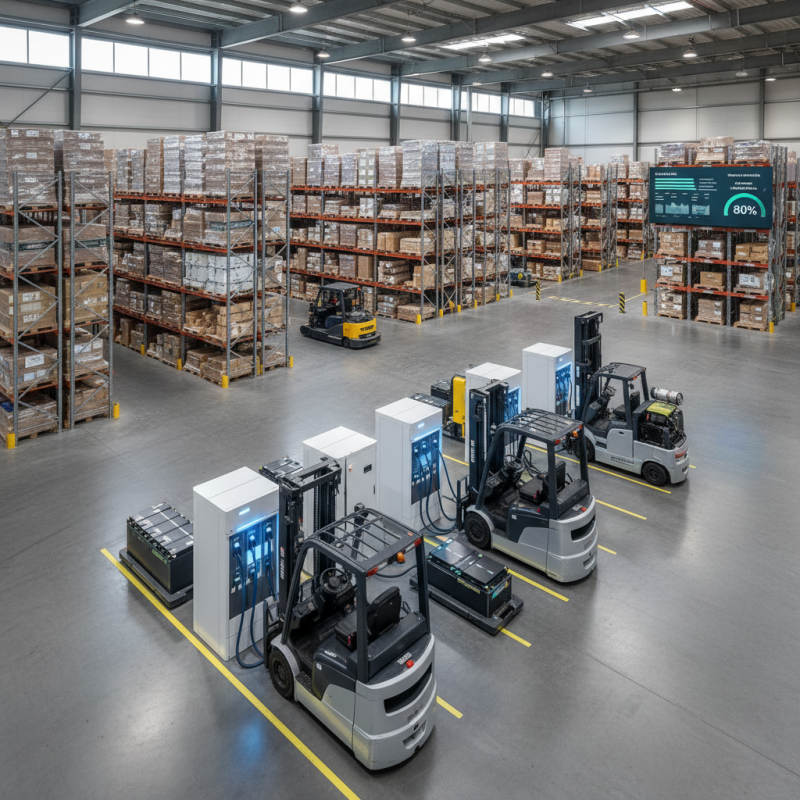
When considering Forklift Power Supply options, understanding the different types of power supplies is crucial for optimizing warehouse operations. The most common power sources for forklifts include internal combustion engines, electric batteries, and fuel cells. Each type brings its own advantages and disadvantages, impacting both performance and operational costs.
Internal combustion engine forklifts are typically favored for outdoor use due to their robust power and ability to operate in diverse weather conditions. These forklifts run on propane, gasoline, or diesel, offering long operational hours without the need for frequent recharging. However, they generate emissions, which may not comply with all warehouse environments, especially those that are climate-controlled or require stringent air quality standards.
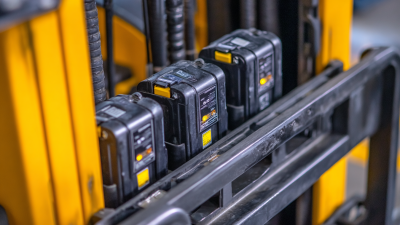
Electric battery-powered forklifts, on the other hand, are increasingly popular for indoor operations. They operate quietly and emit no exhaust, contributing to a healthier work environment. The two main types of batteries used are lead-acid and lithium-ion. Lead-acid batteries are cost-effective but require regular maintenance and take longer to recharge. Conversely, lithium-ion batteries offer faster recharging times and longer lifespan, leading to reduced downtime. Additionally, fuel cells are emerging as a viable power option, providing continuous energy while minimizing emissions, making them an innovative choice for sustainable warehouse operations.
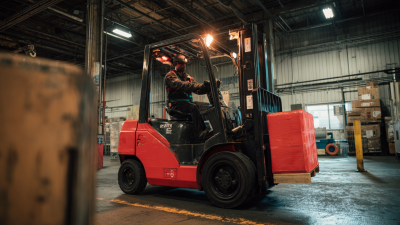
Battery-powered forklifts have become increasingly popular in warehouse operations due to their numerous benefits. One of the most significant advantages is their environmental impact; these forklifts produce no emissions during operation, making them a cleaner alternative to gas-powered models. This attribute not only helps warehouse managers comply with environmental regulations but also improves air quality in indoor settings, contributing to a healthier work environment for employees. Moreover, battery-powered forklifts tend to be quieter, reducing noise pollution, which can enhance overall workplace comfort.
However, there are notable drawbacks to consider. The initial investment for battery-powered forklifts can be higher than that of their internal combustion counterparts, which might deter some businesses. Additionally, while electric forklifts require less routine maintenance, they do need battery management to ensure longevity and efficiency. Charging time can also impact warehouse operations; long charging periods may lead to downtime if not adequately managed. Overall, while battery-powered forklifts present an eco-friendly and quiet option for warehouses, careful consideration of these drawbacks is essential for making informed purchasing decisions.
Internal combustion engine (ICE) forklifts play a vital role in maintaining efficient warehouse operations due to their robust performance and versatility. Typically powered by diesel or gasoline, these forklifts are ideal for outdoor use and are capable of handling heavy loads, often exceeding 5,000 pounds. According to industry reports, ICE forklifts account for nearly 50% of the global forklift market, emphasizing their popularity among warehouse operators seeking reliability and power for tough tasks.
One of the key features of ICE forklifts is their ability to operate in rough terrain. With advanced suspension systems and high ground clearance, they can navigate uneven surfaces effortlessly. Furthermore, these forklifts are designed for longevity and require less frequent maintenance than electric alternatives; a well-maintained ICE forklift can last over 10,000 hours of operational use. Warehouse managers should consider the fuel efficiency of these machines, as it directly correlates with operational costs. Recent estimates suggest that optimizing fuel use can save companies up to 15% on their operational expenses.
Tips: When choosing an ICE forklift, consider the types of loads you'll be moving and the environment in which the equipment will operate. Additionally, ensure that operators are trained in fuel management practices to enhance efficiency and reduce costs. Regular maintenance checks can also prolong the lifespan of the forklift, minimizing unexpected breakdowns.
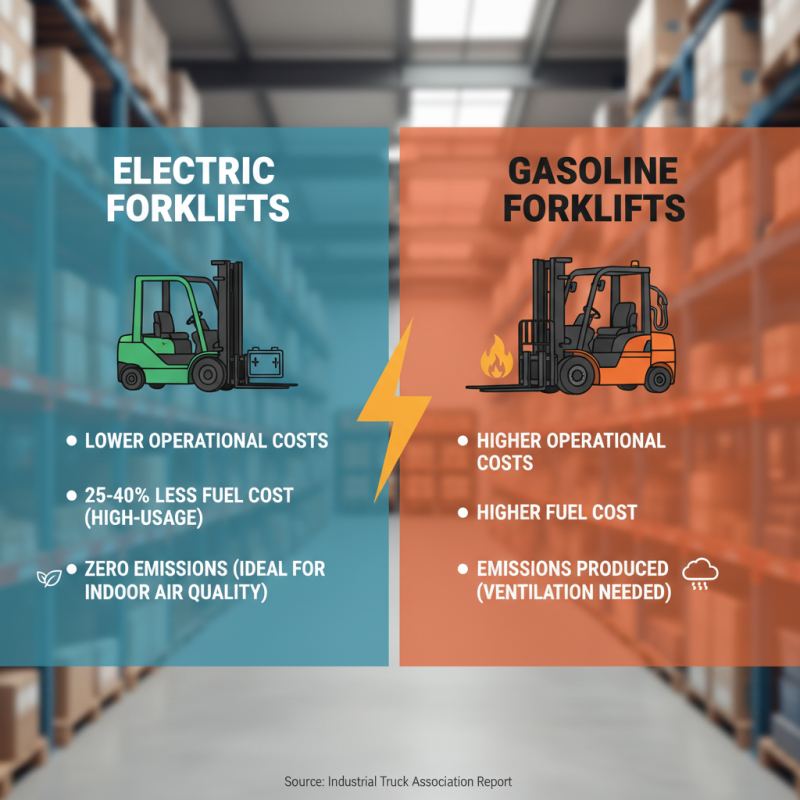
When it comes to choosing the right power supply for forklifts in warehouse settings, a critical decision often lies between electric and gasoline-powered options. Electric forklifts have gained significant traction due to their lower operational costs and their environmentally friendly nature. According to a report from the Industrial Truck Association, electric forklifts can lead to approximately 25-40% lower fuel costs compared to their gasoline counterparts, especially in high-usage environments. They generate no emissions during operation, making them ideal for indoor use, where air quality is a key concern.
On the other hand, gasoline forklifts offer advantages in terms of power and versatility. They are generally preferred for outdoor applications and can handle heavier loads over longer periods without the need for frequent recharging. As per a study by the Material Handling Industry, gasoline forklifts typically provide superior performance in rough terrain and can operate continuously without the downtime associated with battery charging, which can range from 8 to 12 hours depending on usage. This makes them suitable for warehouses that require high throughput and frequent lifting cycles without interruptions.
Ultimately, the choice between electric and gasoline forklifts should consider the specific operational needs, the frequency of use, and the overall cost implications of both types of equipment in order to optimize efficiency and productivity in warehouse operations.
Effective maintenance and care for forklift power supply systems are critical for enhancing the efficiency and safety of warehouse operations. According to a report from the Industrial Truck Association, improper maintenance of forklift batteries can lead to significant performance issues, impacting operational uptime by as much as 20%. Regularly scheduled inspections and maintenance practices are essential to ensure that battery systems—whether lead-acid or lithium-ion—perform optimally and last longer. Ensuring proper cleaning of terminals, checking fluid levels for lead-acid batteries, and monitoring the charge cycles are just a few of the essential maintenance tasks that operators should prioritize.
Moreover, industry data suggests that a well-maintained battery can operate effectively for over 1,500 cycles, translating to cost savings and reduced downtime for warehouses. Implementing a routine maintenance schedule not only prolongs battery life but also boosts the overall safety of operations by minimizing the risk of power failures during critical tasks. Organizations should also consider investing in training for employees who manage forklift operations, emphasizing the importance of understanding power supply systems. This proactive approach will minimize operational disruptions and enhance overall productivity in the competitive landscape of warehouse logistics.
Understanding the power supply options available for forklifts is crucial for enhancing warehouse efficiency. The choice between electric, propane, and diesel forklifts can significantly influence a warehouse's operational workflow. Electric forklifts, for instance, offer a quieter and cleaner alternative, allowing for indoor operation without emissions. Their reliance on battery power necessitates strategic charging schedules to maximize runtime, which can impact warehouse productivity. In environments with heavy lifting and long operational hours, businesses may need to invest in multiple batteries or high-capacity chargers to prevent downtime during shift changes.
On the other hand, internal combustion forklifts, powered by propane or diesel, provide rapid refueling options and typically longer operation durations per fueling session. This can result in uninterrupted workflow, crucial in busy warehouses where time is of the essence. However, they may require additional ventilation and safety measures due to exhaust emissions.
The decision regarding power supply doesn't just affect the uptime of the forklifts but also shapes the overall layout and safety protocols of the warehouse. A well-thought-out power supply strategy can lead to optimized space use and ultimately enhance productivity by minimizing the time spent on maintenance and refueling operations.
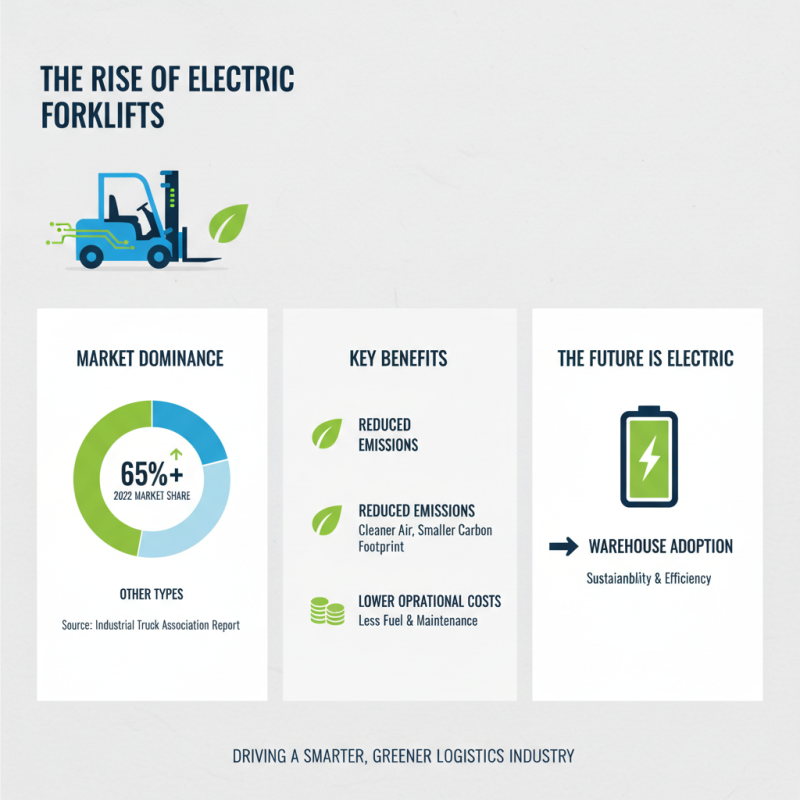
As the logistics and warehousing industries continue to evolve, the emphasis on sustainability and energy efficiency in forklift technologies has become paramount. According to a report by the Industrial Truck Association, electric forklifts have gained significant traction, comprising over 65% of the forklift market as of 2022. This shift towards electric power sources not only reduces emissions but also decreases operational costs, providing a compelling case for warehouses to reconsider their power supply strategies.
Future trends indicate an increasing integration of advanced battery technologies, such as lithium-ion batteries, which offer shorter charging times and longer life cycles compared to traditional lead-acid batteries. A study by the Global Battery Alliance predicts that by 2030, the demand for lithium-ion batteries in industrial applications could increase by over 60%, significantly impacting how warehouses and logistics companies manage their fleets. Additionally, the rise of renewable energy integration, including solar-powered charging stations for electric forklifts, is set to enhance sustainability in warehouse operations, aligning with global standards for reducing carbon footprints.
These advancements not only promise to streamline operations but also reflect a growing commitment within the industry towards more sustainable practices. As warehouses adopt greener technologies, they stand to benefit from not only reduced energy costs but also improved corporate responsibility profiles, which are increasingly recognized by consumers and stakeholders alike.
: Electric forklifts have lower operational costs, leading to approximately 25-40% lower fuel costs, and they generate no emissions during operation, making them ideal for indoor use where air quality is essential.
Gasoline forklifts are generally preferred for outdoor applications, as they can handle heavier loads for longer periods without needing frequent recharging, making them suitable for high-throughput environments.
Improper maintenance of forklift batteries can lead to significant performance issues and can impact operational uptime by as much as 20%. Regular inspections and maintenance are vital for ensuring optimal battery performance.
Essential maintenance tasks include cleaning battery terminals, checking fluid levels for lead-acid batteries, and monitoring charge cycles to ensure the battery operates efficiently and has a longer lifespan.
A well-maintained battery can effectively operate for over 1,500 cycles, resulting in cost savings and reduced downtime, which ultimately enhances the productivity of warehouse operations.
Training employees is crucial to help them understand power supply systems and maintenance practices, which minimizes operational disruptions and enhances overall safety and productivity.
The choice between electric and gasoline forklifts should consider specific operational needs, frequency of use, and the overall cost implications to optimize efficiency and productivity in warehouse operations.
Electric forklifts typically require charging time ranging from 8 to 12 hours, which can introduce downtime, whereas gasoline forklifts can operate continuously without interruptions, making them more efficient for demanding tasks.
The article "Understanding Forklift Power Supply Options for Efficient Warehouse Operations" provides a comprehensive overview of various forklift power supply systems, highlighting their significance in enhancing warehouse productivity. It examines the benefits and drawbacks of battery-powered forklifts, including their eco-friendliness and the need for regular charging and maintenance. Additionally, the article discusses internal combustion engine forklifts, focusing on their performance features and fuel requirements.
A comparative analysis of electric and gasoline forklifts sheds light on their respective advantages for specific warehouse applications. The article also emphasizes the importance of proper maintenance for forklift power supply systems to ensure optimal functionality. Furthermore, it explores how different power supply options can significantly impact warehouse efficiency and addresses upcoming trends in forklift power technologies that align with sustainability goals. Overall, understanding these power supply options is crucial for businesses seeking to optimize their warehouse operations.